US Deploys 9,000 Additional Troops and Expands Sanctions on Iran’s Rail, Auto, and Oil Networks
Washington: Iran is facing mounting pressure on military, economic, and domestic fronts as the United States expands its regional deployment alongside sweeping new financial sanctions. According to a report by The Daily Jagran citing international news agencies, the Pentagon is moving roughly 9,000 additional personnel—including over 7,000 sailors and 2,000 Marines—along with the USS Theodore Roosevelt aircraft carrier into the Middle East as a third carrier presence.
Sanctions Target Rail, Automotive, and Shadow Banking Sectors
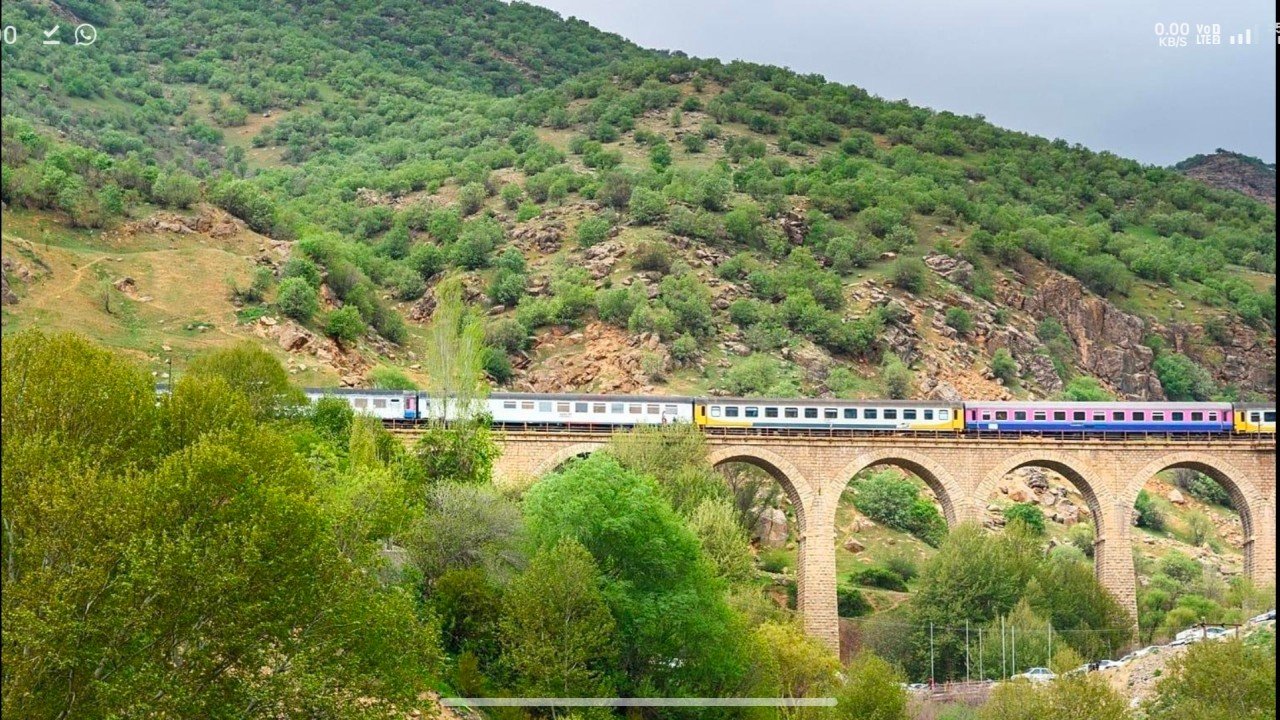
Alongside the military buildup, the U.S. Department of the Treasury has broadened its economic campaign to target industries vital to Iran’s domestic transport and revenue. New restrictions announced by the Office of Foreign Assets Control (OFAC) target Iran’s state-owned railway and its two largest automakers, Iran Khodro and Saipa, which together account for over 90% of the country’s domestic vehicle market, as well as foreign suppliers linked to the sector.
Washington also moved to disrupt Tehran’s alternative financial lifelines by sanctioning the Russia-linked A7 shadow banking network. US officials allege that the network and its sub-agents helped Iranian entities bypass international banking restrictions to move funds across borders.
Oil Exports Plunge Amid Tightened Enforcement
The intensified sanctions are visibly straining Iran’s foreign currency reserves. Industry tracking data from Kpler indicates that Iranian crude oil loadings have dropped sharply to around 226,000 barrels per day, down from roughly 1.7 million barrels per day a year earlier.
Sources familiar with Tehran’s decision-making suggest that front companies, unregistered tankers, and covert smuggling routes have become increasingly expensive and difficult to operate, contributing to domestic energy shortages and economic strain.
Internal Security Challenges and Retaliatory Warnings
Domestically, the Iranian leadership is contending with renewed armed clashes involving the Islamic Revolutionary Guard Corps (IRGC) in the southeastern province of Sistan and Baluchistan. Meanwhile, public discontent remains high following strict crackdowns on protests that erupted in late 2025. According to Human Rights Watch, authorities carried out dozens of executions linked to the unrest between March and August, fueling warnings from policy analysts—including Hudson Institute fellow Ludovic Hood—of potential new waves of civil unrest.
Despite the mounting strain, Iranian officials maintain they are preparing for possible military escalation and have warned of broader retaliation against US-allied interests if attacked, even as diplomatic channels remain open.
Source: News compilation based on reporting by The Daily Jagran, Reuters, and official US Treasury releases. https://youtu.be/OCR1qpY-PgE?si=xO7b6CFqKgG00XOV
Related Categories
Explore more Automobile news, Business & Economy, Technology, and World News,on Alramika.