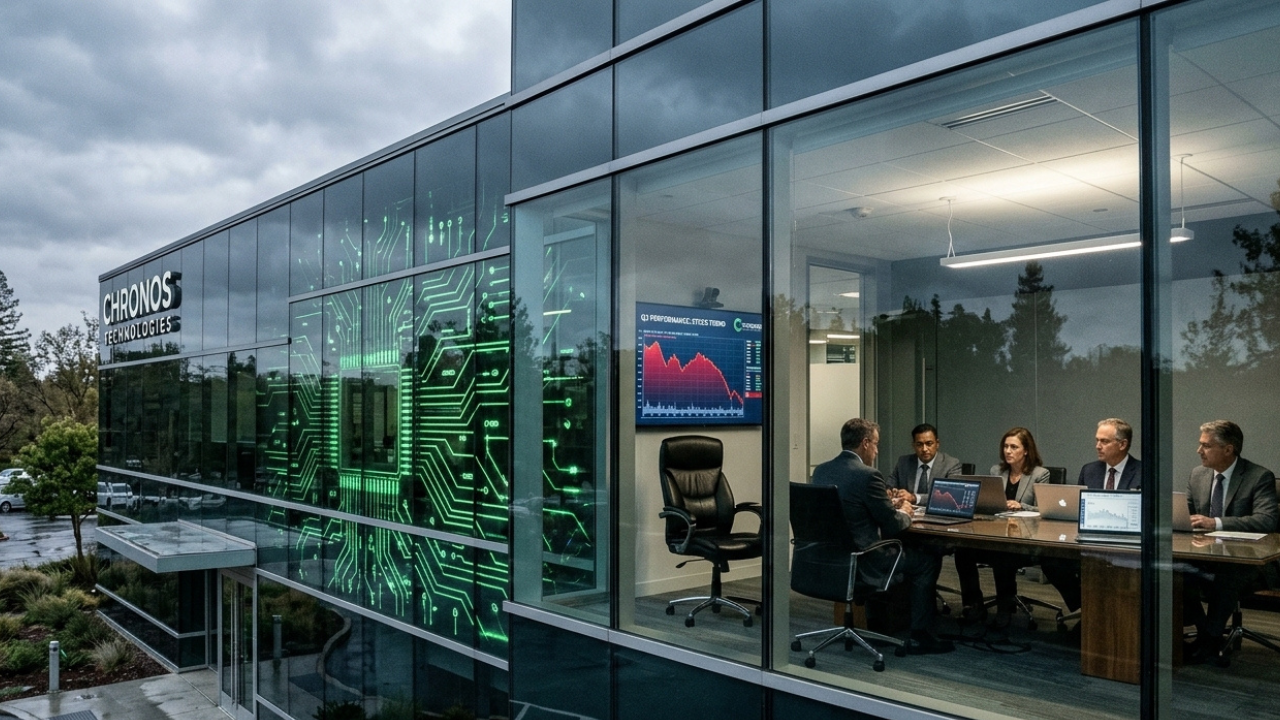
Chipmaking giant NVIDIA is navigating one of the biggest leadership shake-ups in modern tech history after co-founder Jensen Huang officially stepped down as President, Chief Executive Officer, and board member on November 12, 2026. According to an explainer by StudyIQ IAS, long-serving Chief Financial Officer Colette Kress has been appointed interim CEO while the board searches for a permanent successor.
Governance Controversies Behind the Sudden Exit
Huang’s departure brings an abrupt close to his 33-year run leading the company he co-founded in 1993. Initially, NVIDIA stood by Huang while launching an independent probe into his admitted relationship with Alice Huang—who faces allegations of ties to Chinese intelligence—to verify whether restricted chip technology or trade secrets were compromised. However, fresh reports revealing a second extramarital relationship involving NVIDIA executive Kimberly Powell intensified boardroom pressure over corporate governance and conflicts of interest, prompting Huang’s immediate resignation .
$2 Trillion Market Slide and Key-Person Risk
Having transformed NVIDIA from a 1990s 3D gaming graphics maker into the backbone of global artificial intelligence computing, Huang was deeply embedded in every layer of strategy and partner deals. Analysts warn that his sudden exit—unlike Steve Jobs’s structured 2011 handoff to Tim Cook at Apple—exposes NVIDIA to acute “key-person risk” without a pre-groomed successor.
Investor anxiety has already erased roughly $2 trillion from NVIDIA’s valuation. After peaking near $240 per share and a $5.85 trillion market cap on October 4, NVIDIA’s stock has tumbled toward $160, pulling its valuation below $4 trillion and allowing Apple and Microsoft to reclaim the top market spots. Even US President Donald Trump weighed in when asked about the vacancy, calling Apple’s Tim Cook a “legend” capable of leading the chipmaker.
Rivals Gain Ground and Lessons for India’s Tech Sector
NVIDIA’s turbulence is opening doors across the semiconductor landscape:
- Competitors Surge: Rival chipmaker AMD has seen its stock climb over 30 percent in five days on rising demand for its Instinct AI accelerators, while tech giants like Google (TPUs) and Amazon (Trainium chips) push harder to reduce reliance on NVIDIA hardware .
- Takeaways for India: Analysts note the episode underscores why India must accelerate domestic chip design and fabrication under the India Semiconductor Mission rather than relying solely on foreign suppliers, while creating fresh diversification openings for Indian IT firms.
Related Categories
Explore more Trending story, and World News, on Alramika.