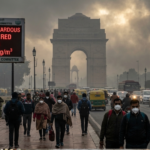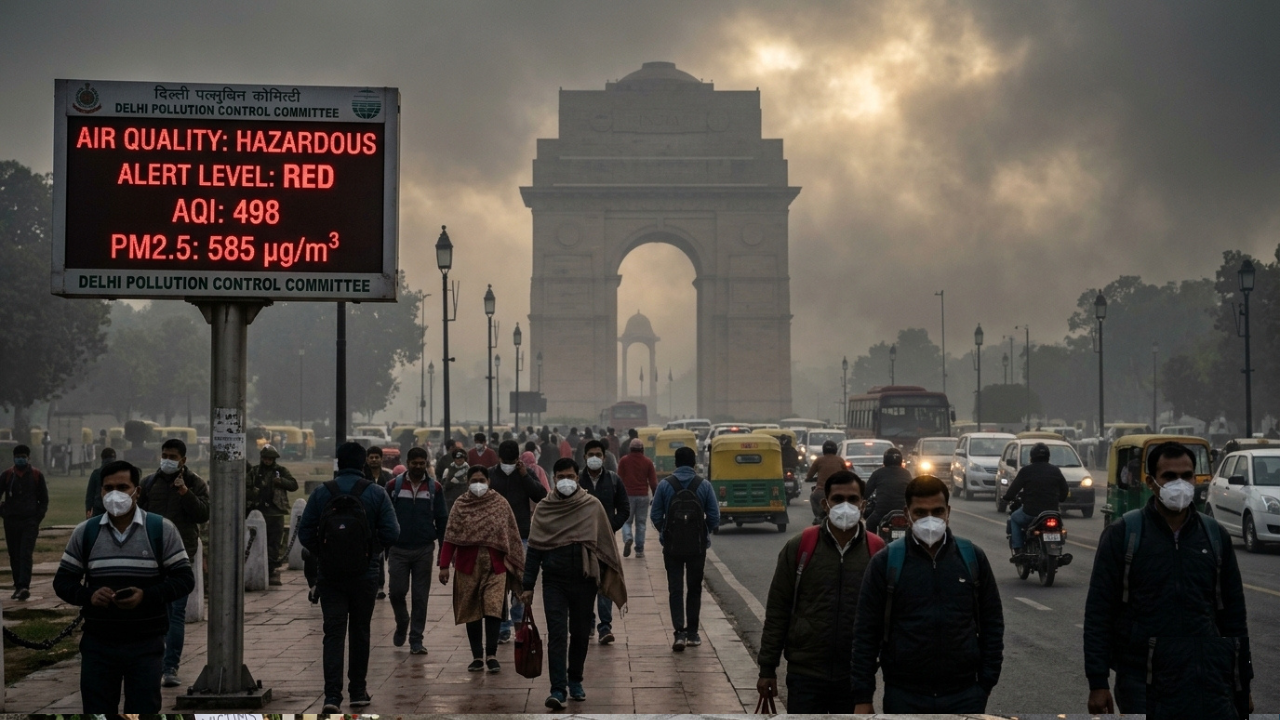
Delhi and neighboring regions across northern India are grappling with a severe air quality emergency after visibility dropped below 200 meters and monitoring data gaps sparked public outrage. According to an explainer by Ankit Inspires India, real-time global rankings on November 9 placed 99 Indian cities among the world’s 100 most polluted urban centers, with Bathinda in Punjab recording an AQI of 816.
Missing Diwali Night Data and Off-the-Chart PM2.5 Levels
Controversy erupted when data from more than 45 to 50 air quality monitoring stations across Delhi went offline during peak Diwali firecracker celebrations. Once delayed readings were finally released following pressure from activists and opposition parties, the figures shocked residents:
- Extreme Particulate Spikes: While India’s official Air Quality Index caps readings at 500 (“severe/hazardous”), raw PM2.5 concentrations reached 3,744—over seven times the upper AQI ceiling—and exceeded 4,000 in areas like Mundka.
- Data Transparency Debate: Analysis by the Centre for Research on Energy and Clean Air (CREA) indicated that overall pollution was roughly 49 percent higher than reflected in capped AQI averages, raising questions over whether hardware limits or deliberate reporting pauses masked the worst hours.
Why Winter Traps Toxic Air in Delhi
Experts point out that Delhi’s air crisis worsens every winter due to a mix of emissions and geography. Cold, dense winter air prevents pollutants from rising and dispersing, trapping smoke from vehicles, construction dust, industrial emissions, and garbage burning close to the ground.
Surrounding hills near the Aravalli range create a bowl-like valley effect around the capital. At the same time, seasonal farm fires in neighboring states compound the smog—with satellite data and media reports highlighting over 1,100 single-day stubble burning incidents in Punjab as farmers rush to clear fields between harvest and winter sowing.
Political Blame Game and Citizen Precautions
While political parties trade blame between Delhi and Punjab over accountability—and debate the 18 percent GST levied on air purifiers—doctors warn of rising respiratory illnesses, throat infections, and long-term health risks. Until stronger systemic action is taken, residents are advised to wear N95 masks outdoors, keep windows shut during peak smog hours, avoid indoor smoke from incense or cigarettes, and use wet mopping instead of dry sweeping to minimize indoor dust.
Related Categories
Explore more Trending story, and World News, on Alramika.